Three Weeks Through Italy: Coastlines, Countryside, and Living History
Italy has a way of blurring the line between past and present. Ancient ruins sit quietly beside espresso bars, Renaissance art hangs steps from roaring Vespas, and glassblowers still shape molten colors the way their ancestors did centuries ago. A three-week journey across the country offers the chance to move at the rhythm of each region—starting in the capital, tracing the southern coast, wandering north through canals and lakes, and meandering back through the hills of Tuscany before ending where it all began: Rome.
Arrival in Rome and the Journey South
An overnight flight from California makes for an ideal start, landing in Rome late afternoon and easing directly into the city’s evening rhythm. After a night in the capital, the high-speed train to Naples provides a fast shift into southern life. Trenitalia’s app keeps the journey simple and affordable, and it’s not long before the city’s energy spills into the streets: markets buzzing, scooters weaving, and the aroma of espresso and dough in the air.
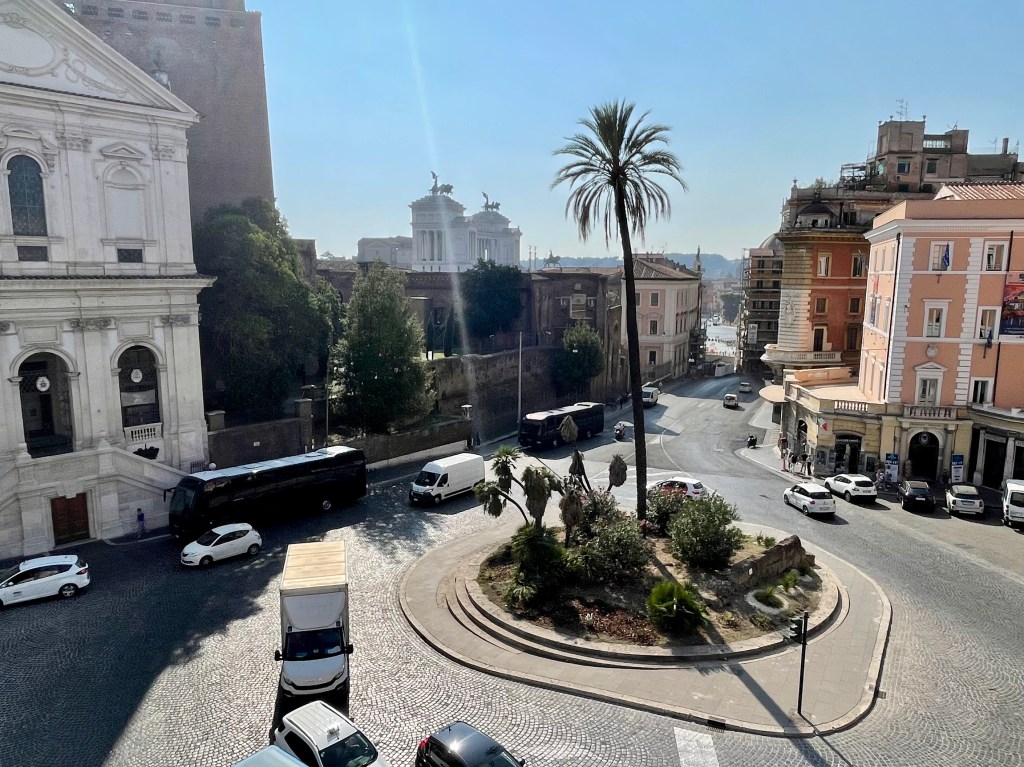
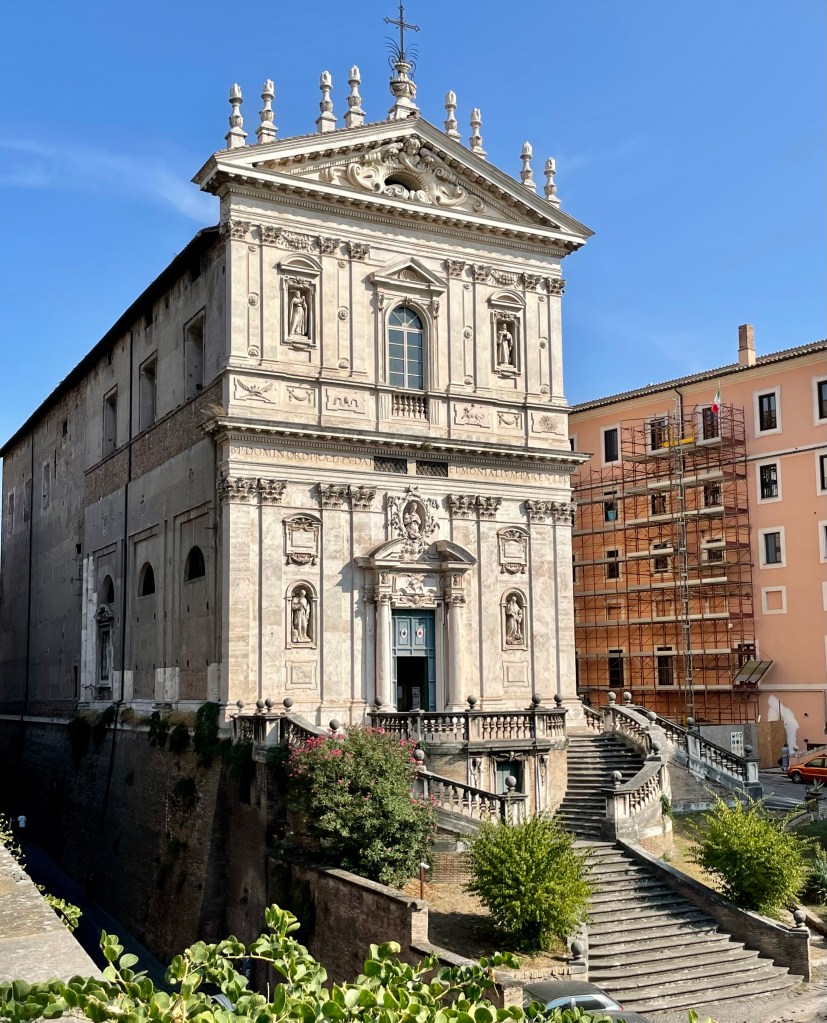
Largo MagnanapoliSanti Domenico e Sisto built 1569-1663
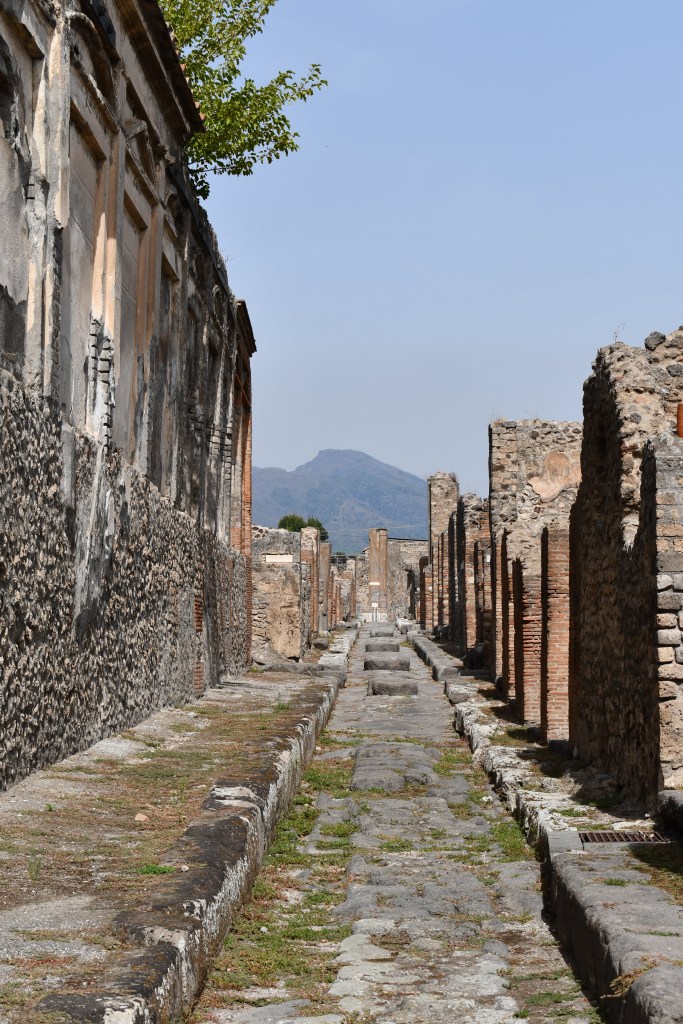
Naples rewards wanderers. Exploring by foot—or on a rented moped—reveals the layers of the city’s history and daily rhythms. A hands-on pizza-making class at Pizzeria Medina connects travelers to the birthplace of the dish, while an excursion to Capri offers a dramatically different southern Italian experience. A ride into the Blue Grotto on a small boat or a walk through Pompeii’s preserved streets adds depth to the stay.
Pompeii — a glimpse into Roman life before 79 AD.
Salerno and the Amalfi Coast
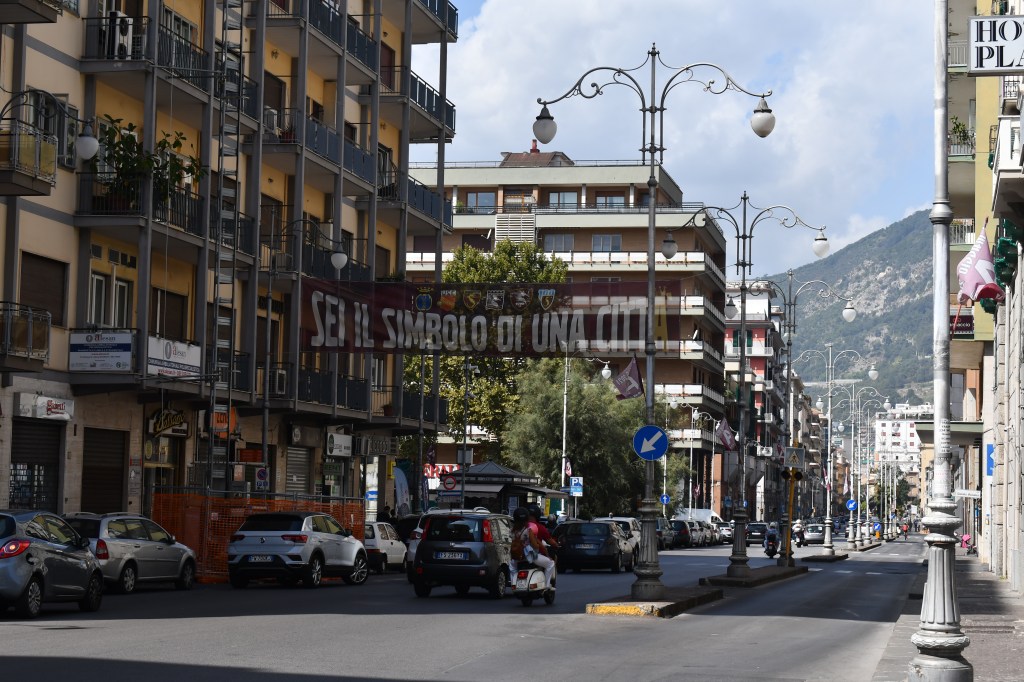
Salerno city street
From Naples, Salerno serves as a strategic and scenic base for exploring the Amalfi Coast without the congestion of the more famous cliffside towns. Its waterfront setting and easy ferry access make it ideal for day trips. Amalfi and Ravello stand out for their cathedrals, terraces, and hilltop views, while Positano delivers the signature pastel palette spilling toward the sea. For those in search of both scenery and movement, a stretch of the Path of the Gods offers cliffside perspectives unlike anywhere else in the region.
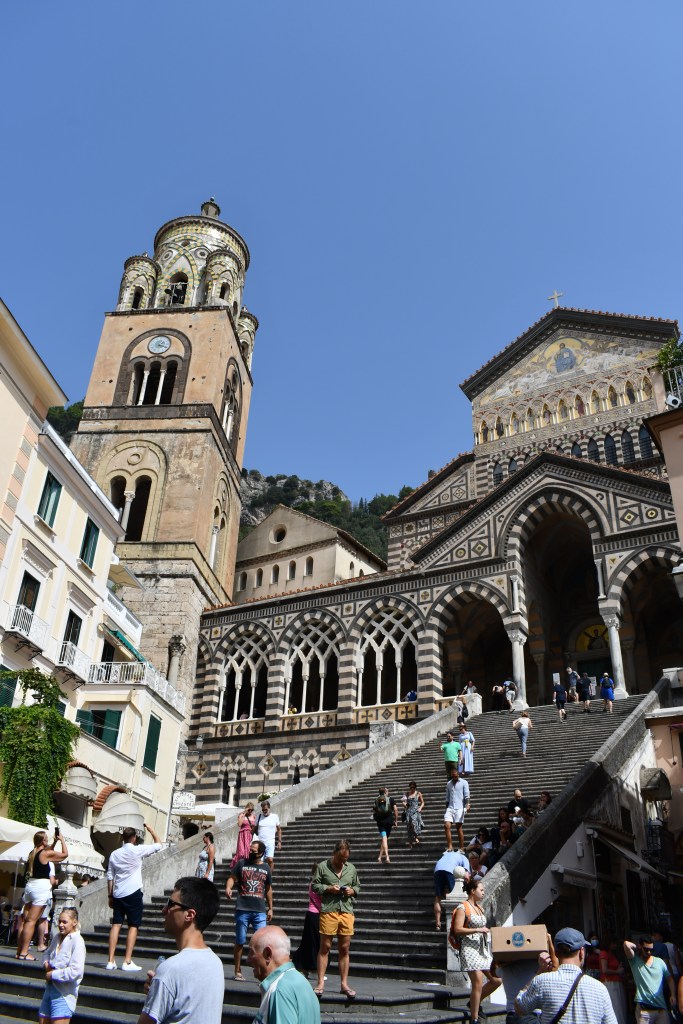
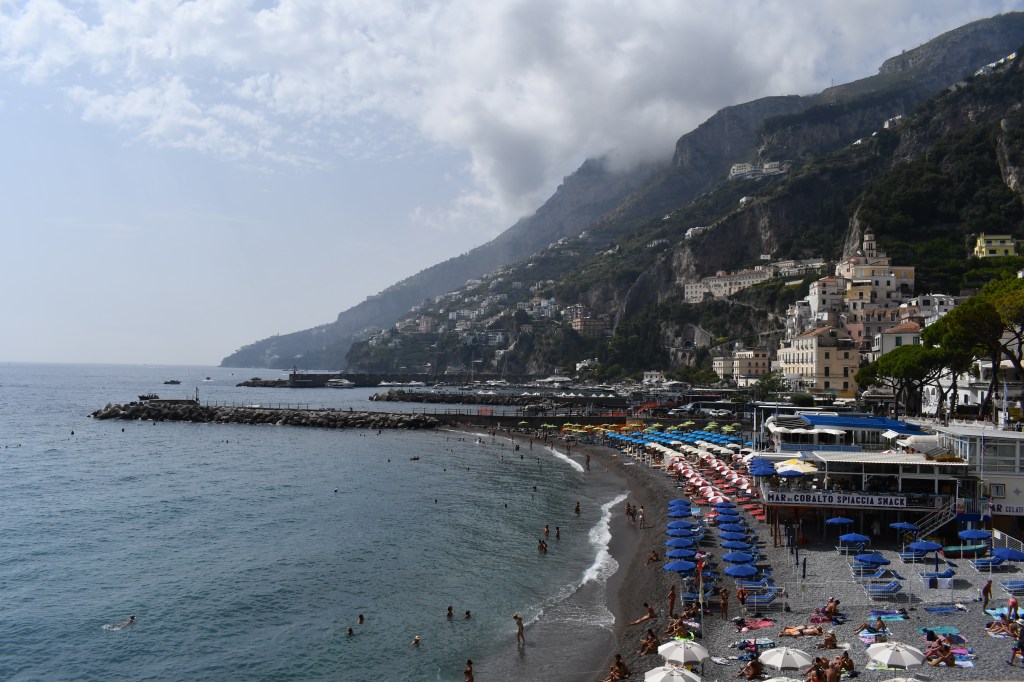
Cattedrale di Sant’Andrea in AmalfiAmalfi Beach
Venice and Burano
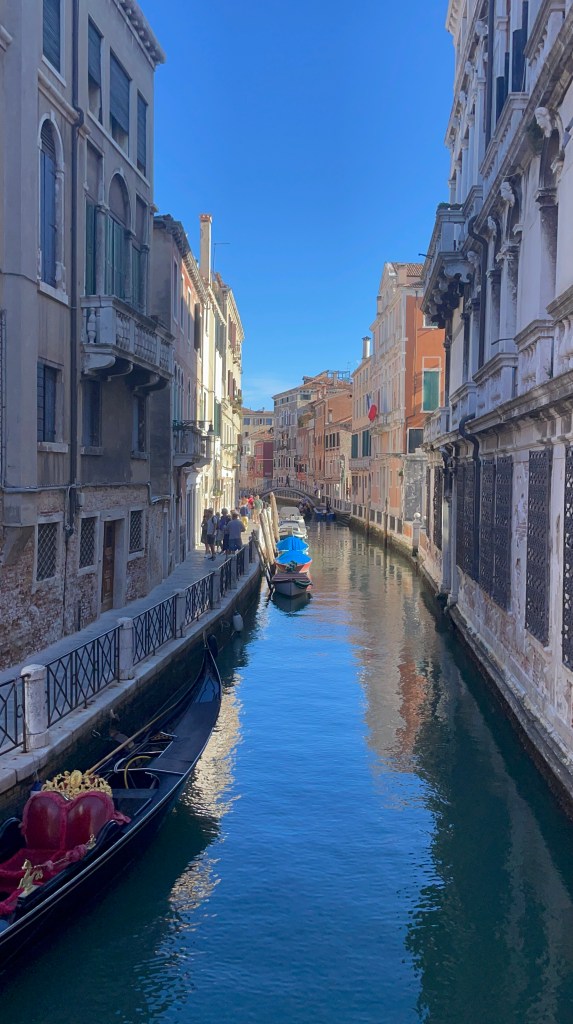
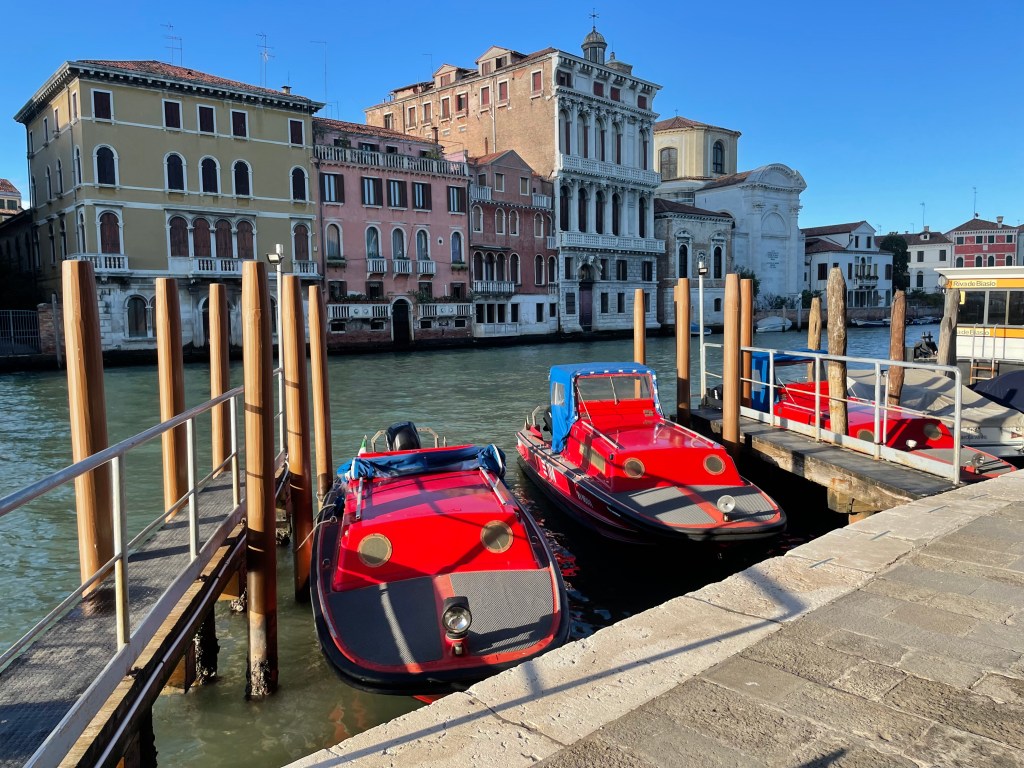
Venice CanalLittle Venice Boats
After time along the coast, the train north to Venice feels like crossing into another era. The city rises directly out of the lagoon, trading streets for canals and traffic lights for bridges. Staying near the Grand Canal sets the tone, and wandering without agenda becomes part of the experience.
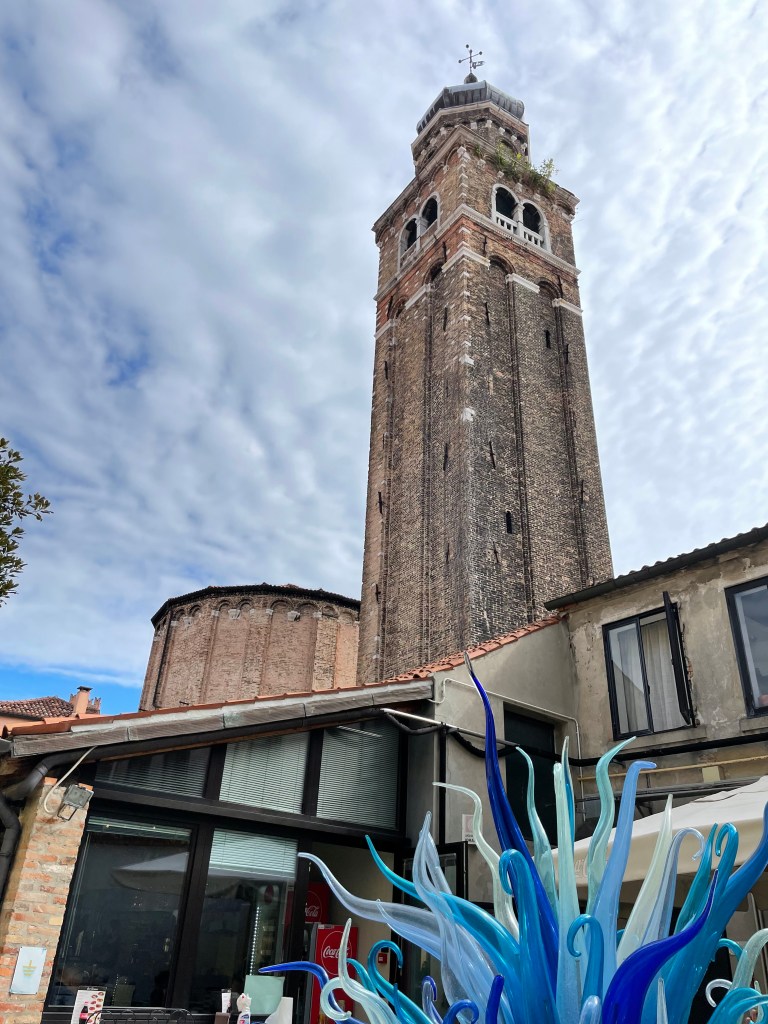
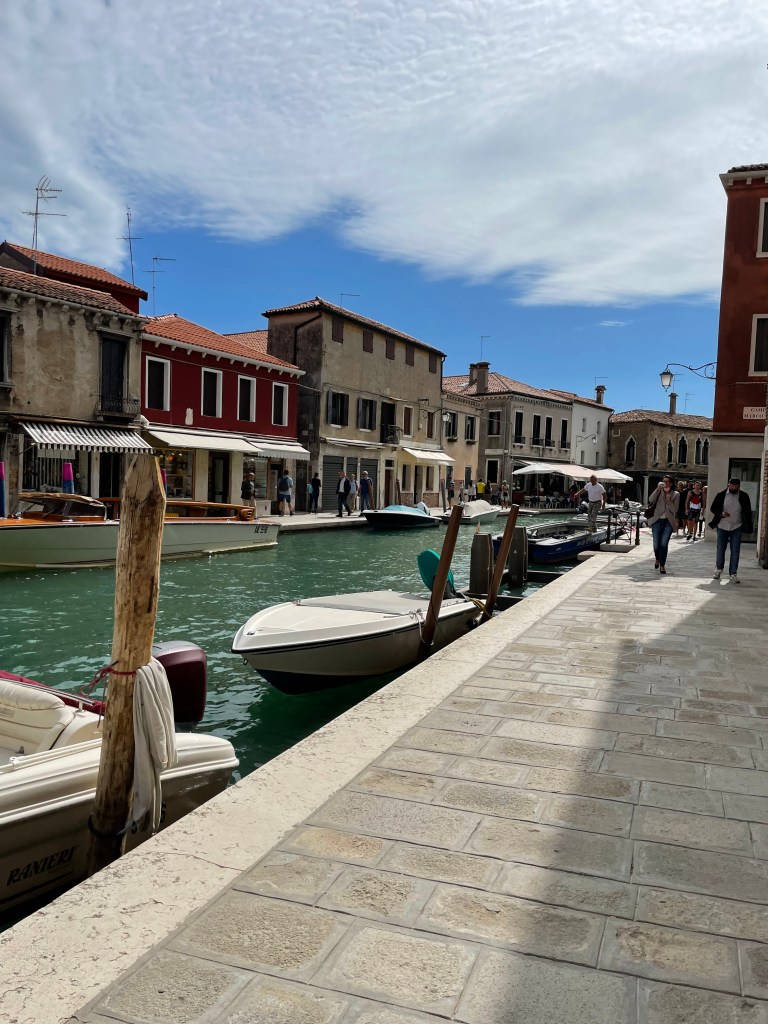
A visit to Burano introduces a burst of color and craft. The island’s painted houses line narrow canals like a watercolor palette, and a hands-on glass-blowing class offers a direct connection to centuries-old Venetian tradition.
Glass on BuranoBurano Canal
Lake Garda and Hidden Ruins
Lake Garda
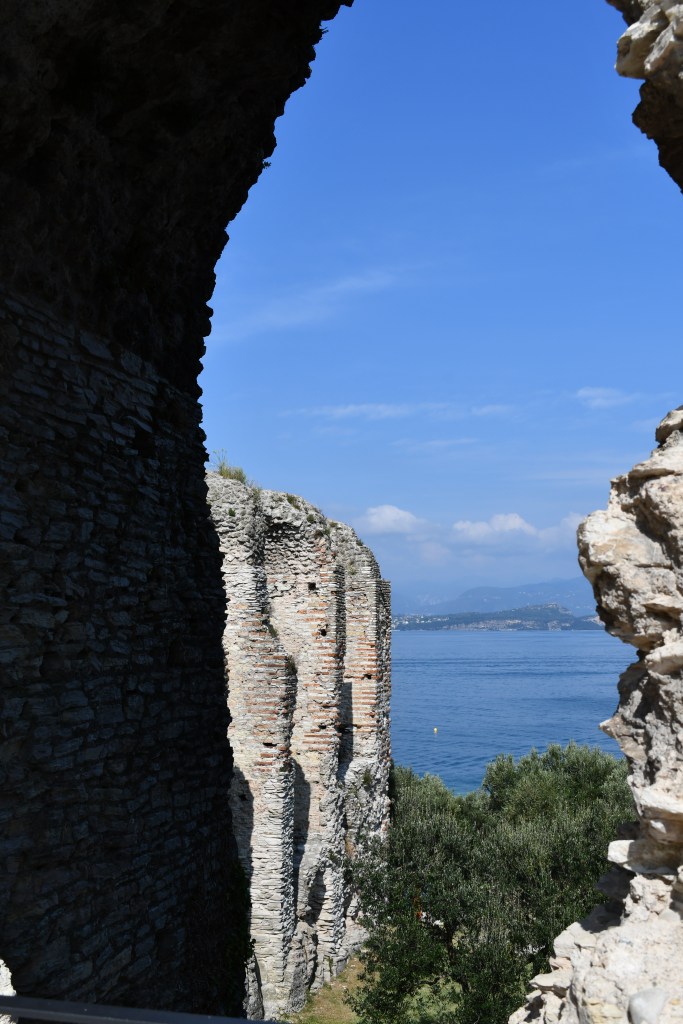
Leaving the lagoon behind, the journey continues to Lake Garda, where the landscape shifts once more. Towns like Sirmione and Riva del Garda offer ferry rides, castle views, and lakeside promenades. Along walking paths and quiet hillsides, unexpected ruins appear beyond an olive orchard—stone remnants of a 2000 year old elaborate Roman Villa at the edge of the peninsula with a breathtaking view of the water.
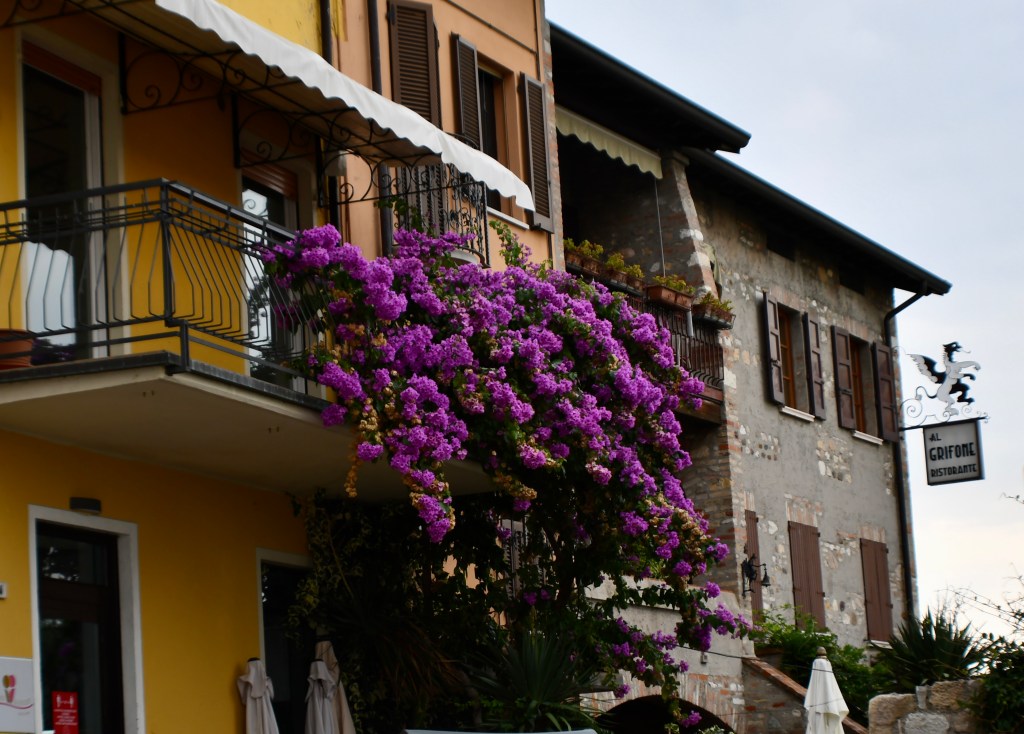
Beautiful Bougainvillea in SirmoineGrottoes of Catullus (Grotte di Catullo)
Tuscany by Car
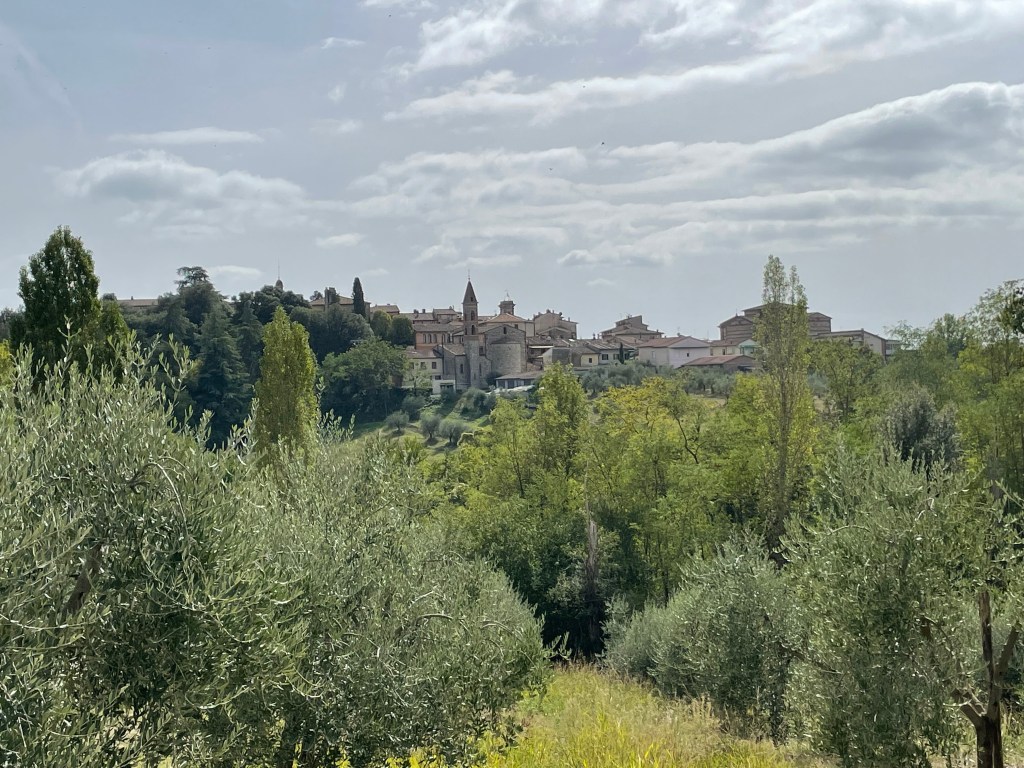
Medieval village in Tuscany
From Lake Garda, renting a car opens the Italian countryside in a way rail travel can’t. The drive south into Tuscany passes through rolling vineyards, olive groves, and roads lined with cypress trees. Montepulciano makes an ideal base—especially in a countryside bed-and-breakfast with panoramic views and slow mornings.
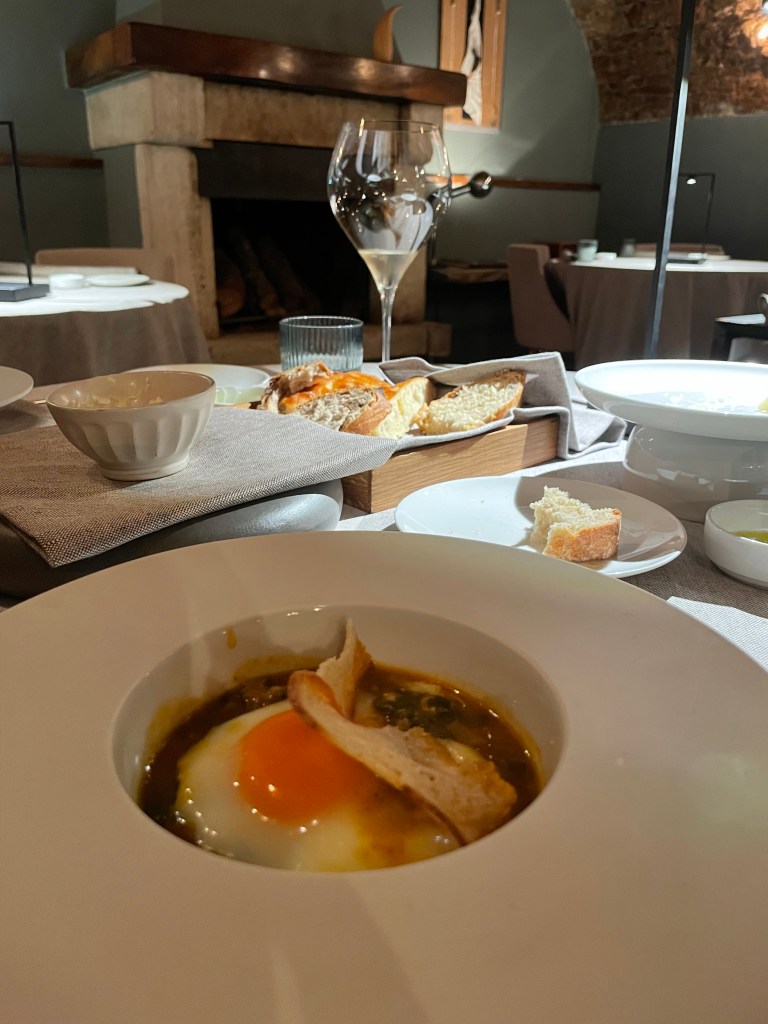
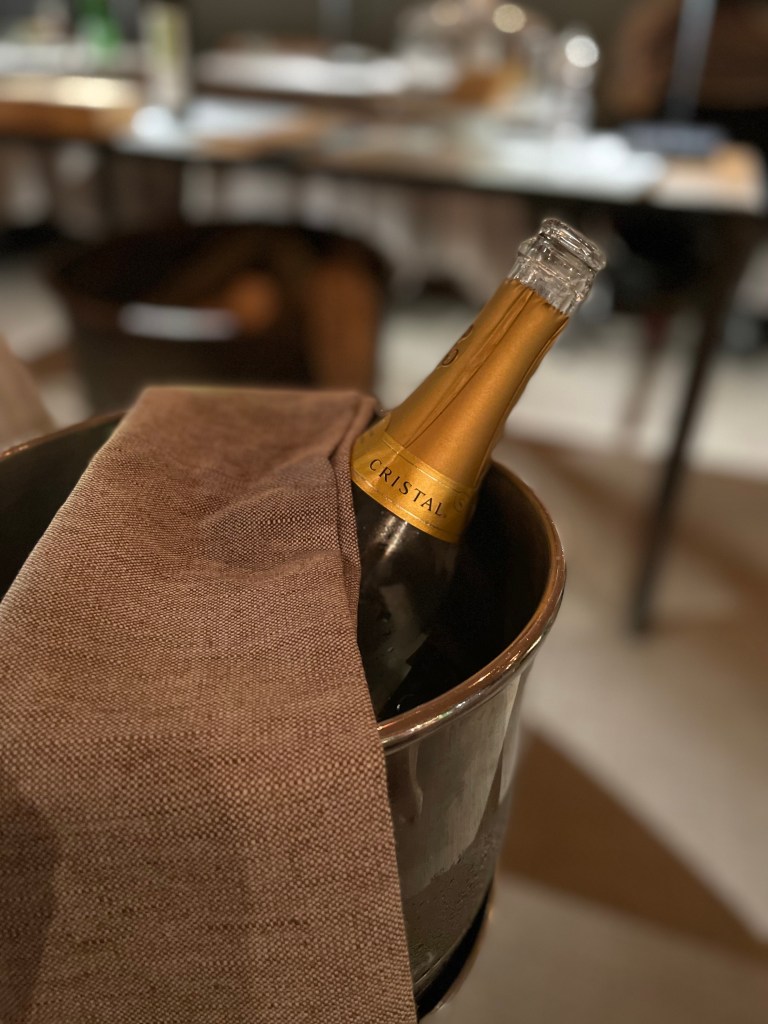
Here, cuisine becomes destination-worthy. A Michelin-starred restaurant in the region elevates local ingredients, pairing handmade pasta, meats, and wine with attention worthy of the landscape.
I Due Cippi, Michelin recognized
Florence, Lake Bolsena, and the Hot Springs
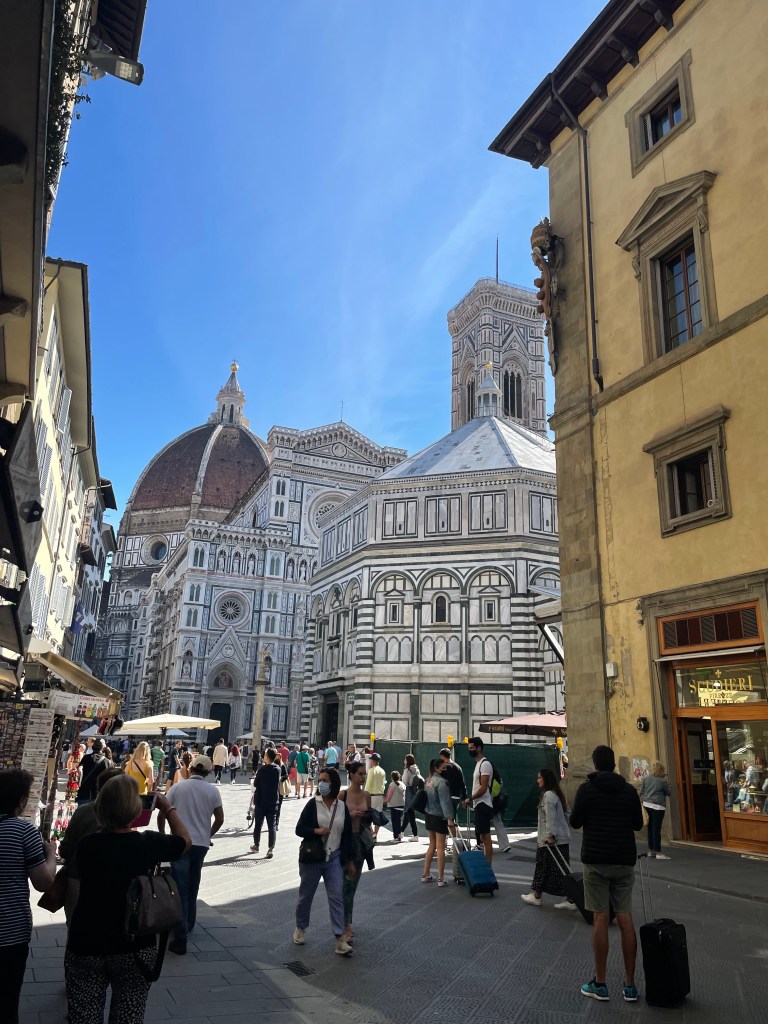
Cathedral of Santa Maria del Fiore, Florence
Florence serves as a cultural interlude with Renaissance art, open-air markets, and riverfront views that invite a slower pace. A visit to the Accademia to see the Statue of David, and the Ufizzi to see The Birth of Venus is best done by tour guide. History is so rich in Florence, the art can date back thousands of years; a tour guide can enlighten the experience as you take it all in. From there, the route continues south to Lake Bolsena, a quiet volcanic lake ringed by medieval towns and vineyards.
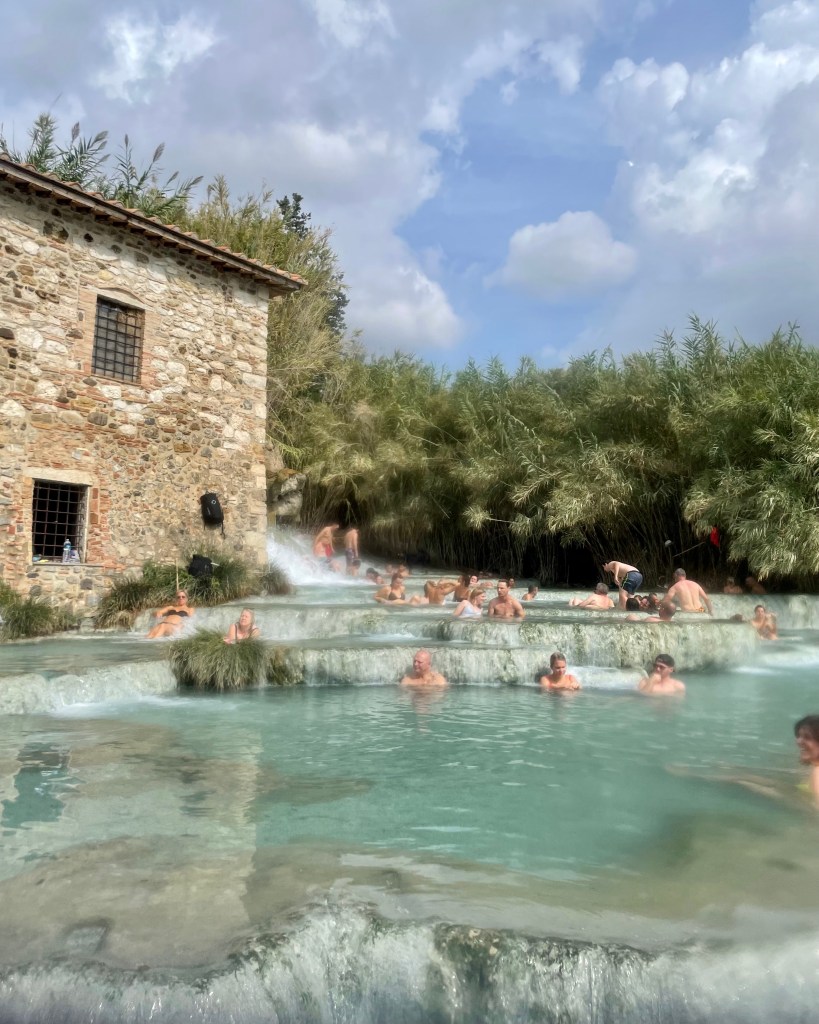
Nearby, the Tuscan hot springs provide one of the most memorable natural experiences of the trip. Saturnia’s pale blue cascades, best visited at sunrise, create the feeling of bathing inside a painting.
Cascate di Mulino — Thermal waters in Saturnia
A Return to Rome
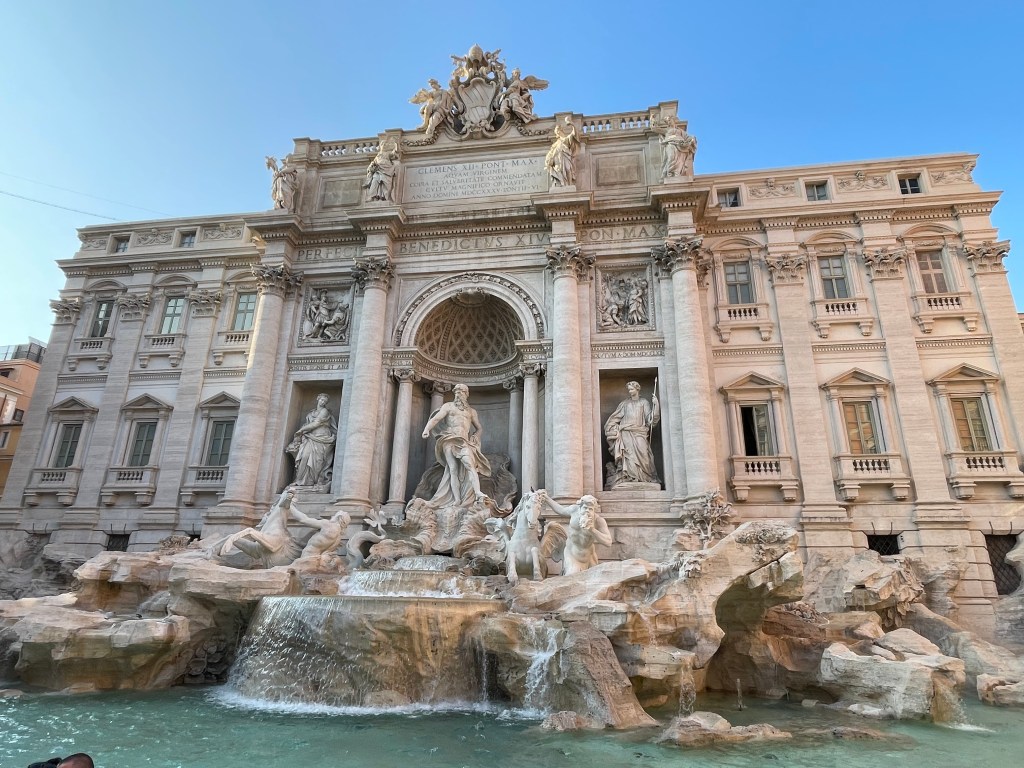
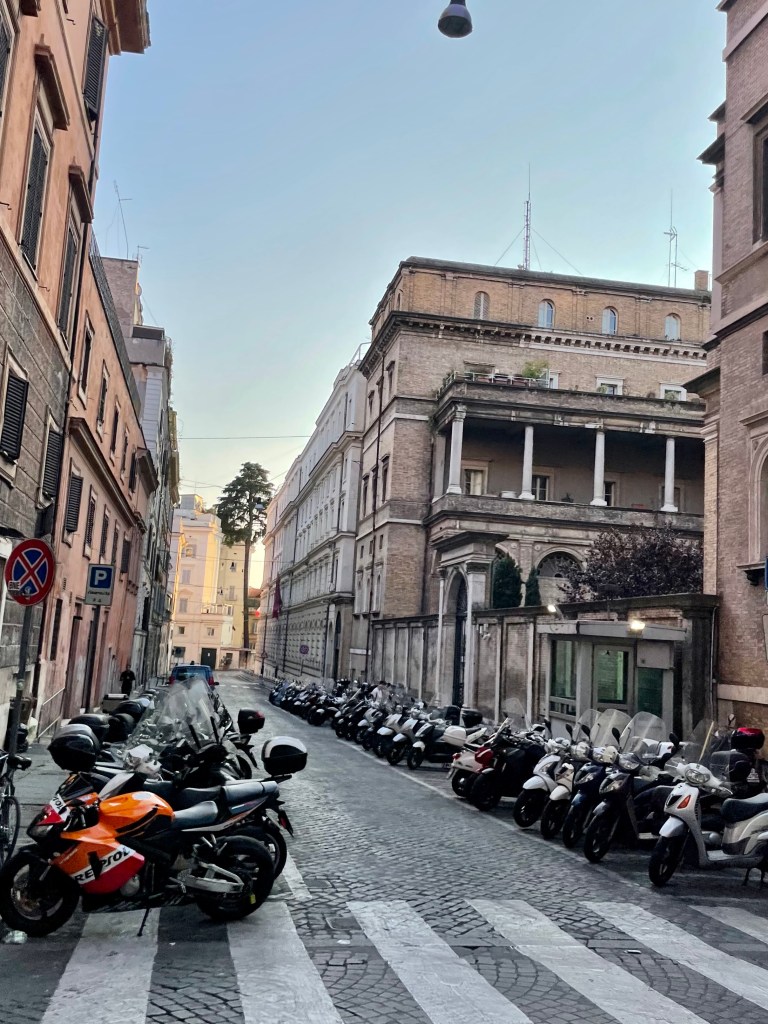
Trevi Fountain, RomeRoman city street
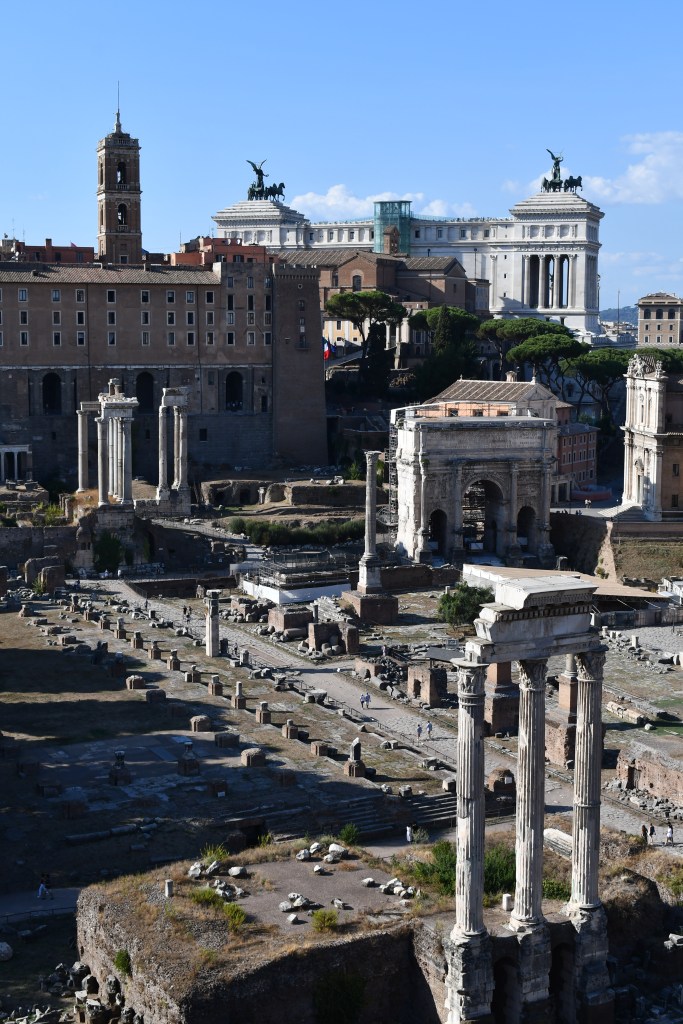
The final stretch leads back to Rome, with the rental car best returned before entering the city. Four days in the capital allow time to revisit iconic landmarks and wander lesser-known neighborhoods. Mornings might include ancient forums, afternoons shaded by Villa Borghese’s pines, and evenings in Trastevere with gelato or wine in hand.
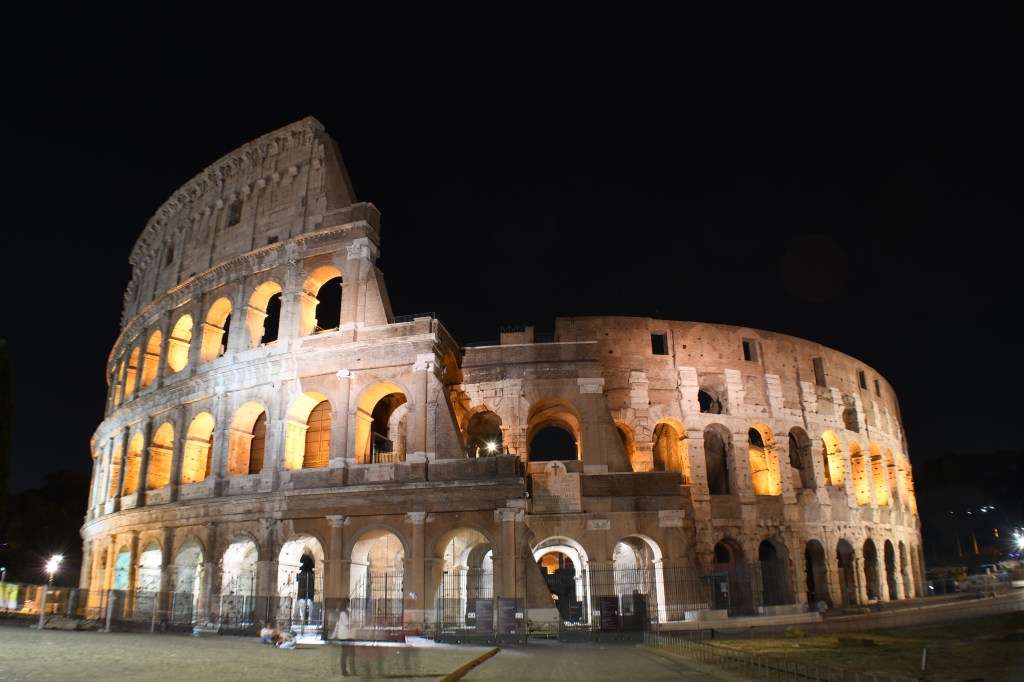
One night is well spent on a photography class that captures the city after dark—when fountains glow, monuments quiet, and the streets take on a cinematic quality.
The Colosseum, Rome
Closing the Journey
Italy rewards both movement and stillness. From volcanic lakes and cliffside villages to glass-blowing studios and spontaneous ruins, each region lends its own rhythm to the journey. Ending in Rome brings the experience full circle, making departure feel less like goodbye and more like a promise to return.



 Kristina's Get Aways